
Loading...
Serving Leominster, MA and surrounding areas. (978) 230-0966
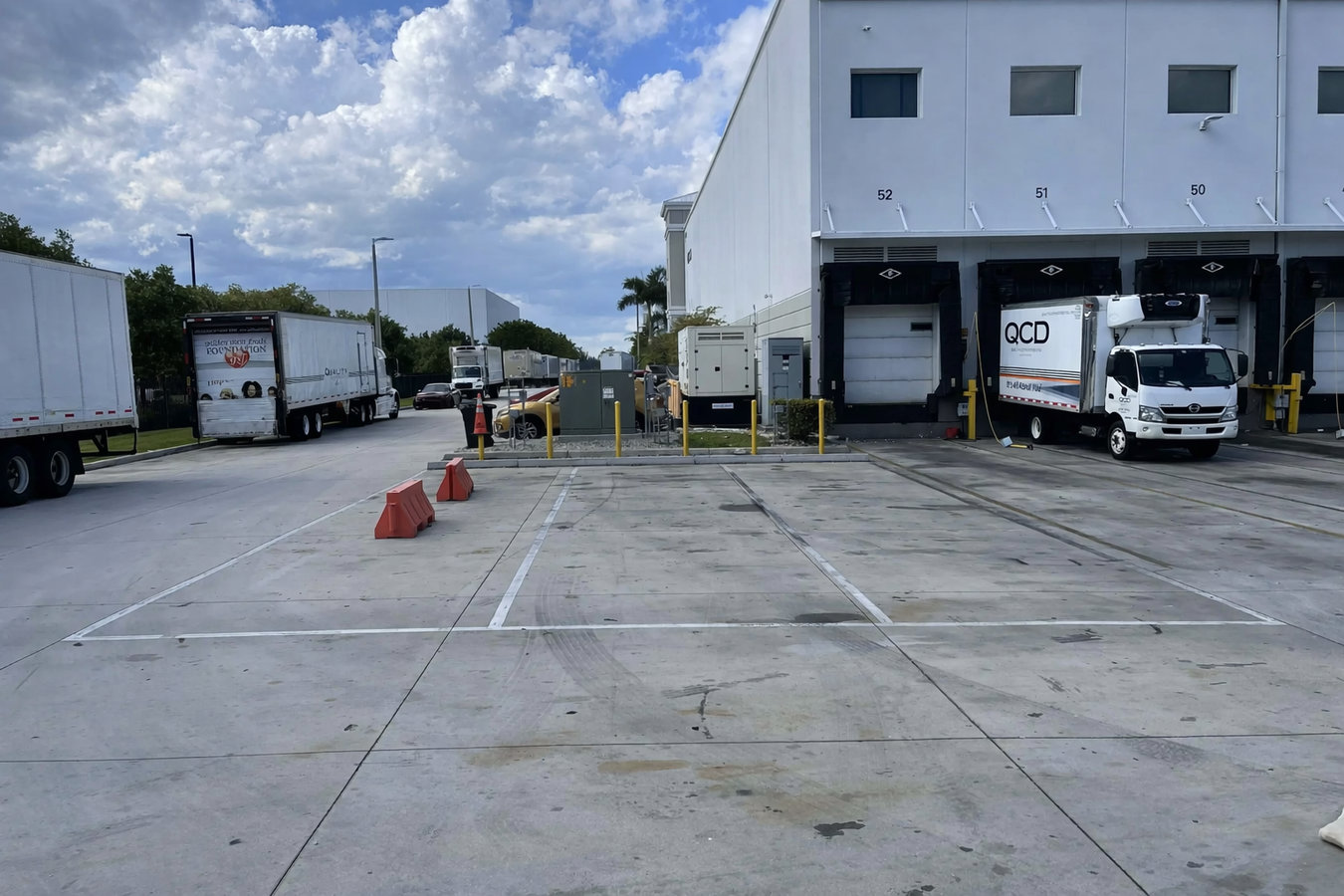
Gravel tracking inside, mud season every spring, or a cracked surface that no longer drains? We build concrete parking areas with the right base and drainage to survive Leominster winters for decades.
Concrete parking lot building in Leominster means removing the existing surface, excavating and compacting a crushed-stone base, and pouring a properly cured concrete slab - most residential and small commercial lots take two to five active construction days, with an additional curing period before the surface can be used.
The difference between a lot that looks fine in year one and falls apart by year five almost always comes down to what happens before the first truck of concrete arrives. In central Massachusetts, where the ground freezes hard from November through March, a parking surface built on a poorly compacted base or without proper drainage will crack and heave no matter how good the concrete itself is. Building it right the first time means accounting for Leominster's soil and climate before the pour, not after.
Many property owners combine a new parking area with a concrete driveway or handle both the lot and the concrete footings for a new garage in the same mobilization, since the base preparation and drainage work overlaps between projects.
If your existing parking surface has large cracks, sections that have lifted or sunk, or chunks that have broken off, Leominster's freeze-thaw cycles are the likely cause. Water gets into the slab, freezes, expands, and breaks the surface from the inside. Once a paved surface reaches this stage, patching is usually a short-term fix - the underlying damage keeps pushing through, and a fresh pour on a properly built base is the more cost-effective long-term answer.
Standing water on a parking surface is a sign the lot is not draining correctly, which accelerates damage in a climate like Leominster's where that water will freeze. If puddles linger for hours after a storm, the surface was either not graded right when it was built or has settled unevenly over time. A new concrete lot designed with a proper drainage slope solves the problem at the source rather than pushing it down the road.
Many older properties in Leominster - particularly those built before the 1970s - have gravel or packed-dirt parking areas that were never paved. If you are dealing with mud every spring, dust every summer, and gravel tracking into your home, a concrete lot is a permanent solution. It adds real value to the property, stays firm year-round, and requires far less ongoing maintenance than a gravel surface.
If you are adding a garage, converting a property to a rental, or preparing a commercial space in Leominster, a concrete parking area is often expected by tenants, buyers, or the city's site plan process. Starting with concrete rather than asphalt means a longer-lasting surface with lower long-term maintenance costs - an important consideration when you are managing a property for years to come.
Every lot we build starts with thorough site preparation. That means removing the existing surface - old asphalt, gravel, grass, or soil - then excavating and grading the ground beneath it. We bring in a compacted layer of crushed stone, typically four to eight inches deep depending on what the soil assessment shows, to create a stable base that drains well and will not shift under the slab. Leominster's glacially deposited soils can include clay-heavy layers and buried ledge rock, so we assess conditions before quoting to avoid surprises once the crew is on-site.
The slab itself is poured with control joints cut in at planned intervals, giving the concrete predictable places to accommodate slight seasonal movement instead of cracking randomly. Drainage slope - typically one to two percent - is built into the design so water always runs toward the right edge or drain, not into the middle of the lot or toward your foundation. For lots serving heavier vehicles, we pour thicker slabs with additional rebar reinforcement to handle the load without surface distress.
We also handle the permit process through the City of Leominster Building Department, including any required stormwater or site plan review for larger lots. For property owners adding a new structure alongside the lot, we can coordinate concrete footings and the lot pour in the same project window, and for properties that also need an approach from the street, we connect the lot to a concrete driveway as part of one continuous scope.
For homeowners replacing gravel, extending an existing driveway, or creating dedicated off-street parking for multiple vehicles.
For business owners, landlords, and property investors who need a durable surface that handles regular vehicle traffic and meets city requirements.
Thicker slab and additional reinforcement for properties that regularly receive delivery trucks, moving vans, or commercial equipment.
A full replacement of an existing gravel surface, including excavation, base preparation, and drainage grading from the ground up.
Leominster sits in central Massachusetts, where temperatures regularly drop below freezing from November through March and then climb back above freezing during the day. That repeated freezing and thawing puts enormous stress on any paved surface. Water gets into tiny pores in the concrete, freezes, expands, and slowly breaks the material apart from the inside. A contractor who understands this climate will build in proper drainage, choose the right concrete mix for cold-weather durability, and walk you through sealing the surface before the first winter arrives. That is not optional maintenance - in Worcester County, it is the difference between a surface that lasts 30 years and one that needs attention after five.
The soil conditions in this part of Massachusetts add another layer of complexity. Much of the ground in and around Leominster contains glacially deposited material - clay-heavy layers, dense glacial till, and buried ledge rock. Clay soils hold water and shift seasonally, which can cause a poorly prepared parking lot to heave or crack even if the slab itself is poured correctly. That is why the base preparation work matters as much as the concrete, and why a site visit before quoting is not optional for any reputable contractor. Homeowners in Fitchburg, Gardner, and throughout the surrounding area face the same conditions.
Leominster's construction season is also compressed. Concrete work in this area is generally limited to late April through October, because concrete poured in consistently freezing temperatures can be permanently weakened before it fully hardens. That short window means contractors are in high demand from spring through early fall. Reaching out before the season opens - and making sure permits are started early - is the most effective way to keep your project on a predictable timeline. Property owners in Worcester face the same seasonal scheduling pressure, so early planning matters across the region.
We respond within one business day. The first conversation covers the basics: what is there now, what you need the surface to handle, and roughly how large the area is. From there we schedule a free on-site visit - because no contractor can quote this work accurately without seeing the ground.
We walk the site, check drainage direction, assess soil conditions, and measure the area. You receive a written estimate that breaks out labor, materials, and permit fees. If there is a realistic chance of hitting ledge rock or dealing with wet soil, we explain how that is handled in writing before you commit.
We apply for the building permit through the Leominster Building Department before any work begins - typically a one-to-three-week process. Once approved, the crew removes the existing surface, excavates, grades, and compacts the crushed-stone base. This phase usually takes one to two days and involves equipment noise and temporary loss of access.
Concrete is delivered by truck and poured into forms, leveled, finished, and cut with control joints the same day. Plan to stay off the surface entirely for 24 to 48 hours and avoid driving on it for a full seven days. We walk the finished lot with you, review the drainage direction and joint layout, and discuss sealing options before Leominster's first hard freeze.
Free on-site estimate. No obligation. We pull all required permits and reply within one business day.
(978) 230-0966We hold the Massachusetts Home Improvement Contractor registration and Construction Supervisor License required for permitted work in this state. Both are verifiable through the state's online lookup - ask for our numbers and check them before you sign anything.
We handle the building permit through the Leominster Building Department on every job that requires one. Permitted work is documented and protects you legally - unpermitted work can create real problems when you sell the property or file an insurance claim.
We have worked through the glacial till, ledge rock encounters, and clay-heavy soil conditions common across Worcester County. We assess ground conditions before quoting so you are not surprised by what is underground once the crew starts digging.
Our drainage slope, joint spacing, and base preparation practices follow guidelines established by the American Concrete Pavement Association, the national authority on concrete pavement construction. Those standards exist because they produce surfaces that outlast shortcuts by decades.
Choosing a concrete contractor for a parking lot is not just about the pour - it is about what happens underground first. Our combination of state licensing, permit compliance, and direct regional experience means the work is built to last in this climate and documented correctly so your investment is protected.
Structurally sound footings are the starting point for any new paved area or building addition on your property.
Learn moreA concrete driveway uses the same preparation and drainage principles as a parking lot at a residential scale.
Learn moreLeominster's construction season fills fast - reach out now to get on the schedule before spring books close.