
Loading...
Serving Leominster, MA and surrounding areas. (978) 230-0966
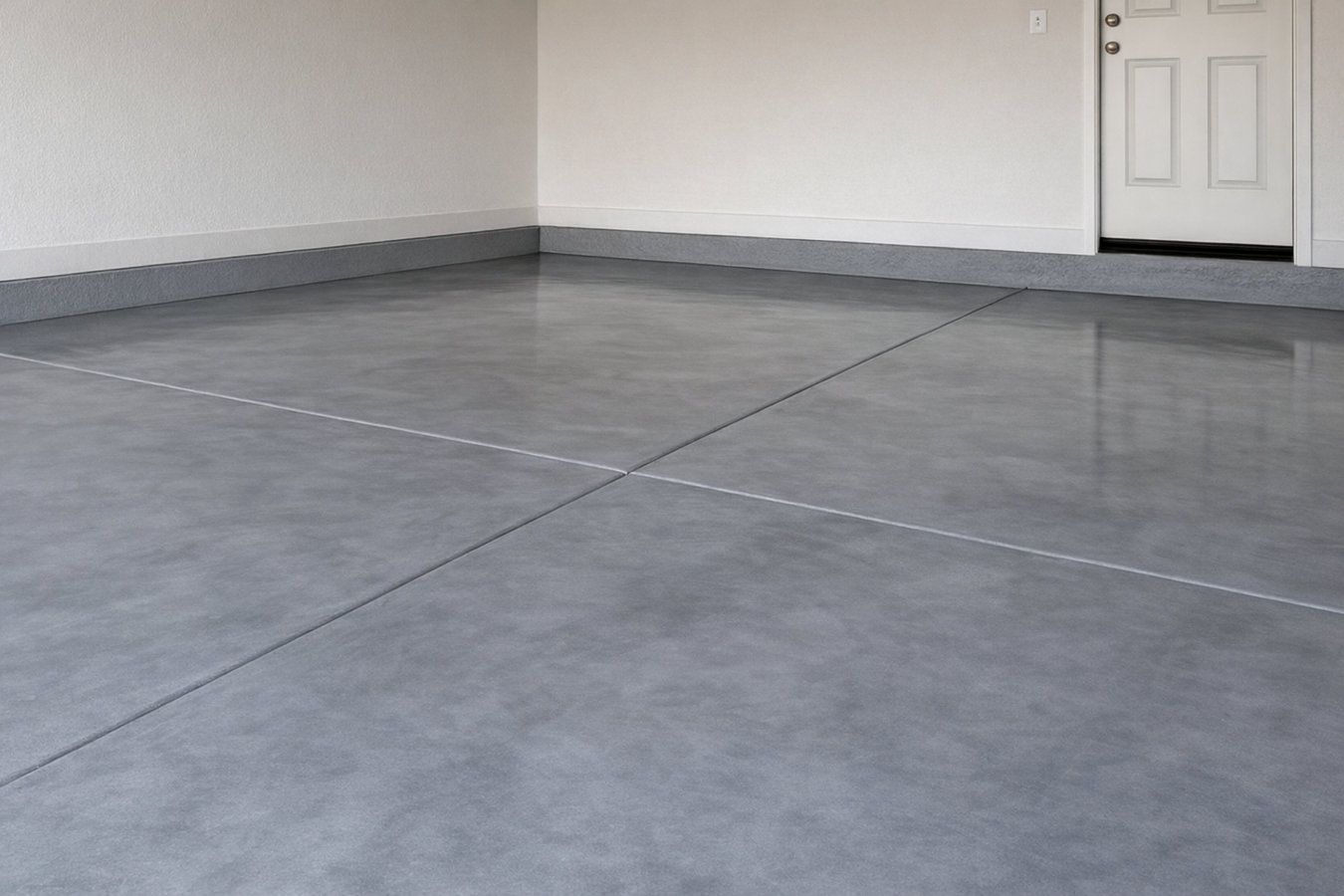
Cracked basement floor, crumbling garage slab, or still working with packed dirt? We install concrete floors built for Leominster's climate, with proper base prep and thickness from day one.
Concrete floor installation in Leominster means removing the old surface or preparing a dirt base, compacting a gravel sub-base for drainage and stability, and pouring a slab at the correct thickness for its use - most standard basement or garage floor jobs take one to two days of active work, with the space usable on foot within 48 hours.
Many homes in Leominster were built between the 1920s and 1960s, and a large share of their basement floors are either original thin concrete that was never built to modern standards, or unpaved dirt. Either way, the floor you have now is probably costing you usable space and adding moisture to your basement. Getting that fixed starts with an honest look at what is underneath.
If you are looking to upgrade more than just the floor, our concrete pool deck and garage floor concrete services use the same base-first approach for every pour.
If you see the same cracks appear each spring after the ground thaws, the base beneath your floor is shifting. In Leominster, freeze-thaw cycles move the soil under older slabs repeatedly - patching the surface only addresses the symptom. Once the base is moving, it will keep moving until it is properly replaced.
A floor that leaves fine gray powder on your shoes or looks rough and cratered is breaking down at the surface. This is common in older Leominster homes where the original floor was poured thin or with a watery mix. A deteriorating surface eventually becomes uneven and creates a tripping hazard, especially in a space used for storage or a workshop.
Many older homes in Leominster still have unpaved basement floors, which keeps the space damp, difficult to clean, and genuinely useless beyond rough storage. A new concrete floor transforms that space, creates a moisture barrier between the ground and your living area, and makes the square footage worth something whether you use it or sell the home.
If water collects in spots on your basement or garage floor after storms or spring snowmelt, the floor has settled unevenly over time. Standing water speeds floor deterioration and encourages mold. A properly poured replacement floor, with the right slope toward a drain, solves both problems at once.
Every concrete floor installation starts below the surface. We assess what is under the existing floor or dirt base, excavate to the right depth, and compact a crushed stone sub-base that drains moisture away from the slab. This is the step that most failing floors skipped. A slab poured on an unstable or wet base will settle and crack no matter how good the concrete is, and in Leominster's glacially deposited soils, which can include pockets of clay or loose fill, that base work is not optional.
We pour at the thickness the space requires: four inches for standard basement and residential use, five to six inches for garages or any space that will hold heavy equipment. We finish the surface to suit the use, from a broom texture for grip to a smooth trowel finish for a cleaner look. Control joints are cut at proper intervals so the slab can manage shrinkage without random cracking.
For homeowners finishing a basement, we also install floors alongside pool deck concrete and garage floor work as part of a single coordinated project.
Full base prep and slab pour for existing basement spaces - right for older homes where the original floor has failed or was never properly built.
Grading, sub-base installation, and new slab over an unpaved basement or crawl space - turns an unusable area into a clean, dry, functional floor.
Old slab broken out, hauled away, base rebuilt, and new floor poured - suited for floors with significant cracking, settling, or moisture problems.
Higher-thickness pours for workshops, warehouses, or retail spaces that carry equipment or vehicle loads beyond what a residential slab handles.
Leominster's winters regularly push temperatures below freezing from November through March, and fresh concrete that freezes before it fully hardens loses strength and cracks. This means most concrete floor work in unheated spaces is best scheduled between late April and October. When cold-weather work is necessary, we use insulating blankets and, when needed, heated enclosures to protect the slab during curing - a step that adds cost but is not optional if you want the floor to hold.
A large share of Leominster's homes were built between the 1920s and 1960s, and their basement floors often reflect that age: thin slabs poured without gravel bases, or no concrete at all. The glacially deposited soils common throughout north-central Massachusetts can include clay pockets and loose fill that shift under older slabs over decades. When we assess a floor before quoting, soil stability is one of the first things we look at, because the base is what the slab answer depends on. You can verify any contractor's Massachusetts Home Improvement Contractor registration with the state's Office of Consumer Affairs and Business Regulation before any work begins.
We install concrete floors throughout the region, including Fitchburg, Worcester, and Lowell - all areas with similar older housing stock and the same winter conditions that make base preparation and curing protection non-negotiable.
We come to your home to look at the existing floor or base, check for drainage issues, and measure the space. A written estimate follows that breaks out demo, base prep, and the pour separately so you can compare quotes accurately. Replies within one business day.
Before demo or pour day, you need to remove everything from the floor area - shelving, appliances, stored items. We handle all demolition and debris removal for the old slab, but the space needs to be empty. Your contractor will tell you exactly what to expect before they arrive.
If the old floor is coming out, demo happens first. Then we grade and compact the sub-base, place reinforcing wire or rebar if the spec calls for it, and pour. The finishing work - leveling, edging, and texturing - happens while the concrete is still workable. Most pours are completed the same day.
The floor is walkable in 24 to 48 hours but needs a full week before heavy items go back. In colder months we cover the slab with insulating blankets during curing. Before we leave, we walk through the space with you, go over the curing timeline, and explain what to watch for in the first few weeks.
Free on-site estimate with no obligation. We explain exactly what your floor needs before any work starts.
(978) 230-0966We look at the soil and existing base conditions before giving you a number. In Leominster's older neighborhoods, where glacially deposited clay soils and original thin slabs are common, the base assessment changes what the job actually involves. A quote without a site visit is a guess, and guesses produce floors that crack.
Central Massachusetts winters are cold enough to weaken concrete that freezes before it fully hardens. When we pour in cooler months or in unheated spaces, insulating blankets are part of the job, not an upgrade you have to ask for. Protecting the cure is what separates a floor that lasts from one you are calling about in two years.
Four inches is standard for residential basement and light garage use. Five to six inches is what you need for heavy loads. We pour to the spec your space actually requires. A floor poured too thin for its use will crack under load, and fixing that costs far more than doing it right the first time.
We carry our Massachusetts Home Improvement Contractor registration as required by state law, and we can provide references from completed floor installations in Leominster and nearby communities. The American Concrete Institute publishes installation standards we follow on every job.
The floors that fail in Leominster homes almost always failed for one of three reasons: the base was not prepared correctly, the slab was poured too thin, or it was not protected during curing. We address all three on every project because a floor is not finished when the concrete sets - it is finished when you can count on it through the next 20 winters.
For technical guidance on concrete floor installation and curing best practices, the Portland Cement Association publishes free homeowner resources on slab installation and cold-weather concrete protection. Massachusetts contractor registration lookup is available through the state Home Improvement Contractor program.
Extend your outdoor living space with a durable, slip-resistant concrete pool deck designed for the New England climate.
Learn morePurpose-poured garage slabs with the right thickness and finish to handle vehicle weight and road salt year-round.
Learn moreSpring and fall project slots fill quickly - reach out today to lock in your timeline before the season's best pouring weather is gone.