Loading...
Serving Leominster, MA and surrounding areas. (978) 230-0966
LMC Leominster Concrete serves Fitchburg, MA with concrete patios, driveways, retaining walls, and foundation work, handling the hillside lots and pre-1940 housing that define much of the city. We have been working in Fitchburg since 2022, pulling permits from the city's Building Division and completing projects on the full range of property types here, from triple-deckers near the downtown to owner-occupied homes in the quieter residential neighborhoods on the edge of the city. Our license number is available on request and every project starts with a free written estimate.
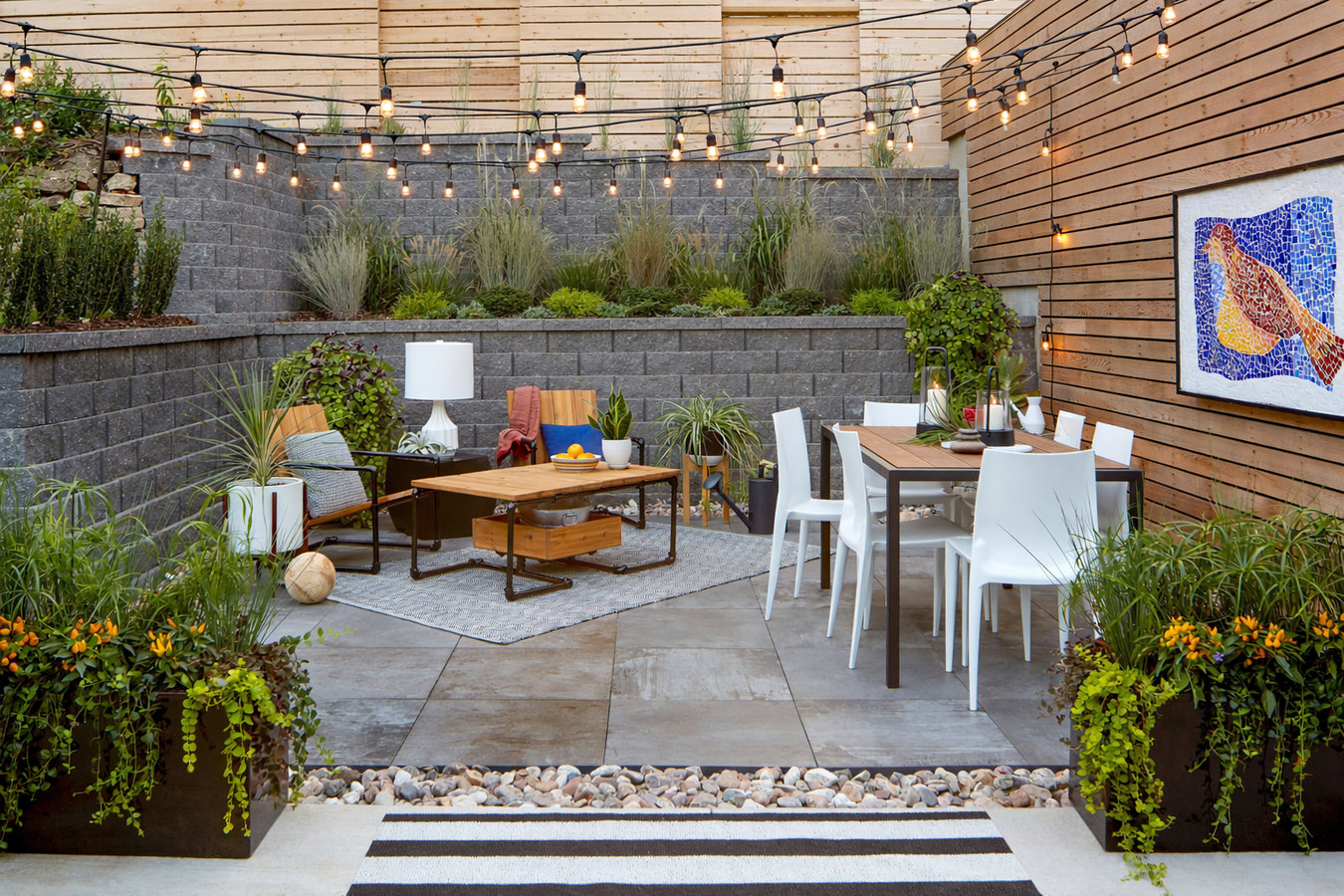
Fitchburg's outdoor season is short, roughly May through September, and a flat concrete patio is one of the few outdoor surfaces that holds up through the city's hard winters without shifting, cracking, or growing weeds in the joints. Many older Fitchburg properties have no real outdoor living surface at all, and the glacial till soil common in this area means proper base preparation is not optional. Learn more about our concrete patio construction services and what goes into building a patio that lasts.
Fitchburg is built on hills, and a large share of its residential lots slope significantly. Retaining walls on these properties hold back soil, manage drainage, and prevent hillside yards from eroding into driveways, patios, or neighboring lots. The hilly terrain also means concrete retaining walls here face more lateral soil pressure than they would on flat ground, which is why footings and drainage behind the wall need to be sized for the actual conditions on your lot, not just copied from a flat-site design.
Fitchburg averages around 60 inches of snow per year and sits at higher elevation than coastal Massachusetts, which means colder temperatures and more hard freeze events than most of the state. Driveways on steep hillside lots, which are common in Fitchburg, take extra wear from freeze-thaw cycles and from snowplow traffic that scrapes the surface repeatedly over a long winter. Building the base deep enough for the frost line and using a concrete mix suited for this climate is the difference between a surface that lasts 30 years and one that needs patching within five.
Fitchburg's pre-1940 homes, including the Victorian-era single-families and wood-frame two- and three-family buildings throughout the city, typically have original front stoops and entry steps that have been patched many times over the decades. When steps pull away from the house, crack across the tread, or settle unevenly, they are a safety hazard and a sign that the original footings were not deep enough for this climate. Replacement steps built on properly poured footings stay put through Fitchburg winters rather than working loose again in a few seasons.
With a large share of Fitchburg's housing stock built before 1940, original foundations range from rubble stone and brick to early poured concrete, and many are well past their useful service life. Foundation installation on Fitchburg properties involves excavating to below the frost line, managing the clay-heavy soils that are common in this part of Worcester County, and accounting for the drainage challenges that come with hillside lots. A foundation that is not built for these conditions will show problems within years.
Fitchburg's denser residential neighborhoods, especially the older streets near Fitchburg State University and the downtown, have connected sidewalk systems where individual property owners are responsible for their section. Concrete sidewalks in this area need to be graded for drainage, built to ADA standards where required, and poured on compacted bases that will not heave unevenly when the ground freezes. A settled or cracked sidewalk panel in front of your property is both a liability issue and a source of complaints from the city.
Fitchburg averages around 60 inches of snow per year and sits at higher elevation than most of eastern Massachusetts, which means colder, snowier winters with more hard freeze events per season. The ground freezes deeply each year, and the city's hilly terrain means water from snowmelt does not always drain away quickly. That combination creates conditions that are genuinely hard on concrete, particularly on surfaces that were not built with adequate base depth or that have never been sealed. Freeze-thaw damage is the most common reason homeowners in Fitchburg need concrete repair or replacement, and the number of cycles per winter here makes the problem accumulate faster than in milder parts of the state.
The housing stock adds another layer of challenge. A large portion of Fitchburg's homes were built before 1940, and many of those original concrete surfaces, driveways, steps, walkways, and basement floors were poured on bases that were never built to current standards. In a city where homes are more affordable than the state average, deferred maintenance is common, and concrete problems that were patched once or twice eventually reach a point where replacement is the only reasonable path forward. A contractor who looks at what is actually underneath, not just the visible surface, will give you an accurate assessment of what the job really involves.
Fitchburg's hillside lots are also a distinguishing factor. Steep grades create drainage and erosion challenges that do not apply on flat properties. Driveways that run uphill take more direct wear from winter traffic and snowplow blades. Retaining walls face more lateral soil pressure. Any concrete work on a sloped Fitchburg lot requires a different design approach than the same job on a level site, and contractors who treat every property the same tend to produce work that fails sooner than it should.
We pull permits for Fitchburg projects through the city's Inspectional Services Department and have worked on properties across the city's varied neighborhoods. Fitchburg is not a uniform housing market, and the concrete work you encounter on different streets reflects that. The older streets near the downtown, close to the Fitchburg Art Museum and the Wallace Civic Center, have densely packed two- and three-family homes with small lots, steep front walks, and patched stoops that have been worked on by multiple contractors over the decades. What looks like a simple step replacement on these properties sometimes has several layers of old patches and questionable footings underneath.
The residential neighborhoods near Fitchburg State University have a mix of student rentals and owner-occupied homes. Owner-occupied properties here tend to be more maintained, but many are still pre-war construction with concrete work that has not been touched since the 1970s. The hillside streets on the north and west sides of the city have more single-family homes on larger lots, often with driveways that run at a significant grade and retaining walls that are managing active soil pressure. We have worked on both, and the approach is meaningfully different.
Fitchburg sits directly adjacent to Leominster to the south, which is where our business is headquartered, so response times to Fitchburg are fast and familiar. We also regularly serve Gardner to the north, where the building stock and winter conditions are similar. If you are on the Fitchburg side of the line, we are your neighbors and the call is straightforward.
Reach us by phone or use the contact form. We respond within 1 business day. If you can describe the project type and give us a rough sense of your property, we will arrive at the site visit already thinking about your specific situation.
We come to your Fitchburg property, look at the site, check the grade and soil, and give you a written estimate that breaks down every cost. On sloped lots and older properties we factor in what we actually see on the ground, not a phone-quote rate per square foot. This is also where we address cost directly so there are no surprises.
We handle permit paperwork with the Fitchburg Inspectional Services Department before any work begins. On the start date, the crew removes the existing surface if needed, excavates to the correct depth, and builds a compacted gravel base suited for the frost line and soil conditions on your specific lot.
We pour and finish the concrete, cut control joints to guide any future cracking, and apply your chosen surface finish. Before leaving, we walk through the curing schedule: foot traffic after 24 to 48 hours, vehicles off a driveway for a full 7 days. We also cover sealing recommendations so the surface is protected before Fitchburg's first hard freeze.
We serve Fitchburg homeowners and property owners with the same written estimates and permit-first process we use throughout the region. Call us or use the form below and we will respond within 1 business day.
(978) 230-0966Fitchburg is a city of about 40,000 people in north-central Worcester County, sitting at the end of the MBTA Fitchburg Line that runs commuter rail into Boston's North Station. The city grew up around its mills in the 19th century, and much of that industrial-era construction, including brick and granite mill buildings, Victorian-era single-family homes, and dense rows of two- and three-family wood-frame structures, is still present throughout the city. That history shapes what you find when you dig into a Fitchburg lot: layers of old construction, fill soil from grading done decades ago, and original concrete work that was poured to standards that predate modern practice.
The housing stock here is predominantly pre-1940, with the classic New England triple-decker style well represented throughout the older neighborhoods. Median home values are well below the state average, which reflects both the age of the housing stock and the city's working-class character. Owner-occupied homes are most concentrated in the quieter residential neighborhoods on the edges of the city, while the denser central neighborhoods near the downtown and Fitchburg State University have a higher share of rental properties, many of them investor-owned two- and three-family buildings with deferred maintenance that accumulates over time.
Fitchburg shares a border with Leominster to the south, and the two cities are closely connected by Route 12 and local roads. The concrete demands here, driven by old housing stock, hard winters, and hillside lots, are similar to what we see throughout the corridor. We also serve homeowners in Gardner, which sits to the north and shares many of the same property characteristics.
Durable concrete driveways installed to handle daily traffic and New England weather.
Learn moreCustom concrete patios designed for outdoor living and long-term performance.
Learn moreDecorative stamped concrete that replicates stone, brick, or slate at a lower cost.
Learn moreSafe, ADA-compliant concrete sidewalks built for residential and commercial properties.
Learn moreSmooth, sealed garage floors engineered to resist oil, salt, and heavy loads.
Learn moreFinished concrete surfaces with color, texture, and pattern options for any space.
Learn moreStructurally sound retaining walls that manage soil and drainage on your property.
Learn moreLevel, reinforced concrete floors for basements, additions, and commercial spaces.
Learn moreSlip-resistant pool deck surfaces that stay cool underfoot and look great.
Learn moreCode-compliant concrete steps and stoops built for safety and curb appeal.
Learn moreProperly engineered slab foundations for new construction and additions.
Learn moreFull foundation installation services from excavation to finished concrete.
Learn moreCommercial parking lots built to handle heavy vehicle loads and frequent use.
Learn moreCorrectly sized and poured footings that support structural loads and prevent settling.
Learn moreFoundation raising and lifting to correct settling, improve headroom, or add a basement.
Learn morePrecision concrete cutting for demolition, expansion joints, and utility access.
Learn moreServing these cities and communities.
Call (978) 230-0966 or send us a message for a free written estimate. We know Fitchburg's hillside lots, older housing, and hard winters, and we build to last in this climate.