Retaining Walls & Concrete Masonry
Strong, attractive walls that hold back soil, prevent erosion, and transform sloped yards.
When You Need a Retaining Wall
If your yard slopes, you've probably dealt with erosion, water runoff, or difficulty using parts of your property. Maybe you've tried planting grass or ground cover to hold the soil, but heavy rains keep washing it away. Or you want to create a level area for a patio or garden but don't have flat ground to work with.
That's where retaining walls come in. A well-built retaining wall holds back soil, stops erosion, manages water drainage, and creates usable flat space from a slope. Here in Leominster, we build retaining walls for homeowners dealing with hilly yards and commercial properties that need grading and erosion control.
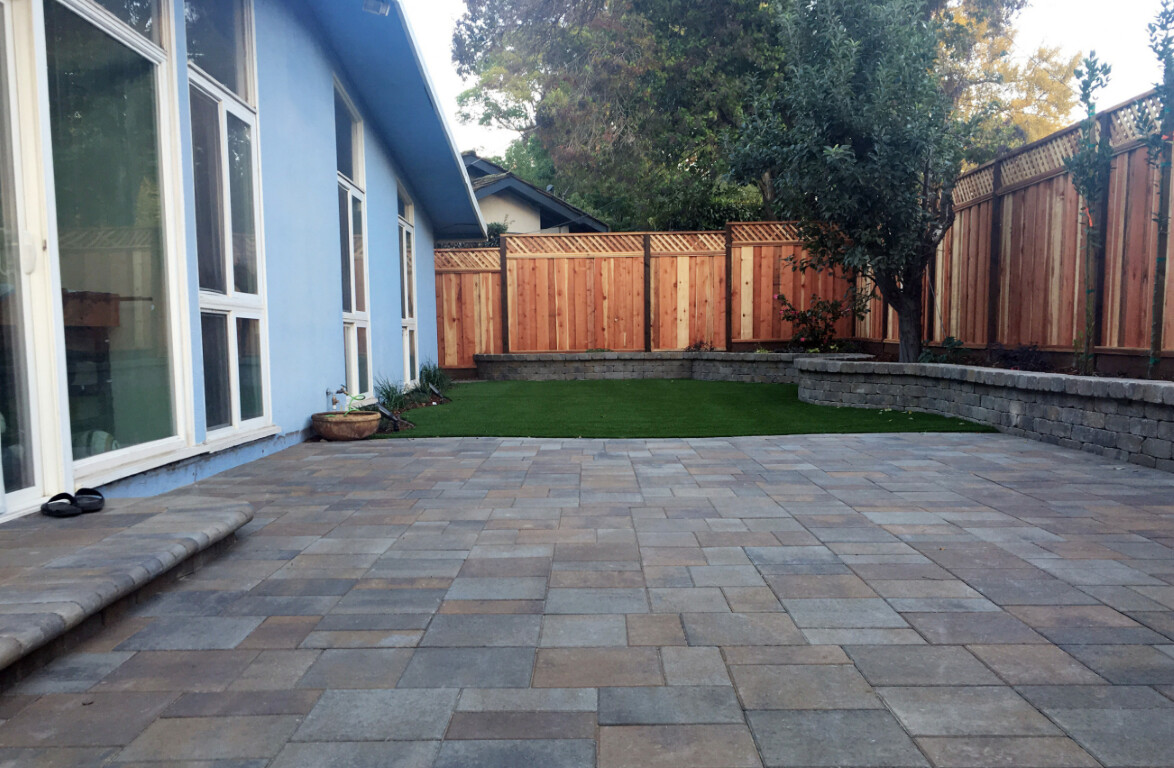
Retaining walls are also about more than just function. A good-looking stone or block wall can become a feature of your landscaping, adding depth and character to your property. We've built walls that solve drainage problems and end up being one of the most attractive elements of the yard.
Types of Retaining Walls We Build
Different situations call for different types of retaining walls. Here's what we specialize in:
- Segmental block walls: Interlocking concrete blocks that create strong, attractive walls with various colors and textures available
- Poured concrete walls: Solid concrete walls with steel reinforcement for maximum strength, ideal for tall walls or heavy loads
- Stone veneer walls: Concrete walls faced with natural stone for an upscale, natural appearance
- Concrete masonry unit (CMU) walls: Traditional concrete block construction, often used for foundation walls and large retaining structures
- Tiered walls: Multiple shorter walls stepped down a slope, creating terraced planting areas or seating levels
- Garden walls and borders: Lower decorative walls that define spaces and provide raised planting beds
The right choice depends on the height you need, the soil conditions on your property, drainage requirements, and your aesthetic preferences. We'll assess your situation and recommend the best solution for your specific needs and budget.
Why Retaining Walls Require Expertise
Retaining walls might look simple, but there's a lot of engineering involved in making them work correctly. A poorly built retaining wall will lean, crack, or collapse within a few years. We've been called to replace many walls that were built wrong the first time.
Understanding Soil Pressure
Soil behind a retaining wall exerts tremendous pressure, especially when it's wet. This pressure wants to push the wall forward and over. The wall needs to be designed to resist this force through proper base width, reinforcement, and setback angle. For walls over 4 feet tall, engineered designs are often required by building codes.
Drainage is Critical
Water increases soil pressure dramatically. That's why every retaining wall needs proper drainage behind it. We install drainage aggregate and perforated pipes behind walls to collect water and direct it away. Without good drainage, water pressure builds up and eventually pushes the wall out of place.
Foundation and Base
A retaining wall is only as good as its foundation. We excavate below the frost line and create a properly compacted base for the wall to sit on. For taller walls, we pour concrete footings. The base has to be level and solid, or the wall will settle unevenly and fail.
These details matter, and they're where DIY walls and cheap contractor work typically fails. We've been building retaining walls long enough to know what works in Massachusetts soil and weather conditions. We don't cut corners on the parts you can't see after the wall is built.
How We Build Retaining Walls
Building a retaining wall that lasts requires following the correct process from excavation through final backfill.
Planning and Layout
We start by surveying your property and designing the wall layout. This includes determining the wall height, length, and any curves or corners. We mark utility lines and obtain any necessary permits. For complex situations, we may bring in a structural engineer to provide specifications.
Excavation and Base Preparation
We excavate the wall footprint to the required depth, below the frost line for our area. Then we create a level, compacted base using crushed stone. This base needs to be precise because any variations will show up as the wall goes higher.
Wall Construction
For block walls, we set each course level and properly offset the joints. Many block systems have built-in setback, meaning each row sits slightly behind the one below it. This creates a stable profile that resists overturning. For poured walls, we build forms, install rebar, and pour concrete in a continuous operation.
Drainage and Backfill
Behind the wall, we place drainage fabric to prevent soil from clogging the drainage system. Then we install crushed stone and perforated drain pipe. We backfill in lifts, compacting each layer to prevent future settling. At the top, we place topsoil and establish grades that direct surface water away from the wall.
The timeline varies based on wall size and complexity, but most residential retaining walls take 3 to 7 days to complete. Larger commercial walls or walls requiring engineering may take longer.
What Retaining Walls Can Do for Your Property
Beyond the obvious function of holding back soil, retaining walls solve practical problems and create opportunities for your property.
Create usable space. That steep slope in your backyard becomes a level patio or garden area. You can add a patio where you only had a hill before. You can make a flat play area for kids or a garden bed that doesn't wash away.
Stop erosion. If heavy rains keep washing soil down your hillside, a retaining wall stops that problem. Your landscaping stays in place, and you're not dealing with mud running into lower areas or onto your neighbor's property.
Improve drainage. Properly designed walls direct water where you want it to go rather than letting it flow randomly down a slope. This can solve basement moisture problems, prevent driveway washout, and protect foundations.
Increase property value. Professional retaining walls that add functional outdoor living space make your property more valuable. They show buyers that the property has been improved and maintained properly.
Enhance appearance. A well-designed retaining wall becomes a landscape feature. Terraced walls with plantings between them create visual interest. Stone or decorative block walls add texture and character. Even a simple wall is more attractive than an eroding hillside.
Need a Retaining Wall?
Let's assess your property and design a wall solution that solves your drainage or erosion problems. We'll provide a detailed quote and timeline.
(978) 230-0966